The color that looks perfect on a small swatch can fade to something you never chose within a few Utah summers. Here's how to pick an exterior palette that still looks intentional in ten years.
Picking an exterior color feels like the fun part — and it is. But it's also one of the few exterior decisions that's genuinely hard to undo. Along the Wasatch Front, the deciding factor most homeowners overlook is the one blasting down on your walls all summer: the sun. At our elevation, UV exposure is intense, and it's the quiet reason a color that looked perfect on the swatch can drift into something you never chose within a few seasons.
Why Utah sun is so hard on color
We sit at high elevation with thin, clear air and a lot of sunny days. That means more ultraviolet radiation hitting your exterior than in most of the country. UV breaks down the pigments and binders in paint and finishes over time, and it doesn't do it evenly:
- South- and west-facing walls fade fastest, so a home can end up noticeably lighter on one side than another.
- Reds and bright, saturated colors fade first — their pigments are the least UV-stable, which is why an old red barn always looks washed-out and chalky.
- Dark colors absorb more heat, and that heat stress accelerates fading and can stress some cladding materials.
Add our freeze-thaw winters on top of that, and finishes take a beating from both ends of the calendar.
Colors that age gracefully here
The palettes that still look intentional a decade later tend to share a few traits: they're muted, earthy, and rooted in the landscape rather than fighting it.
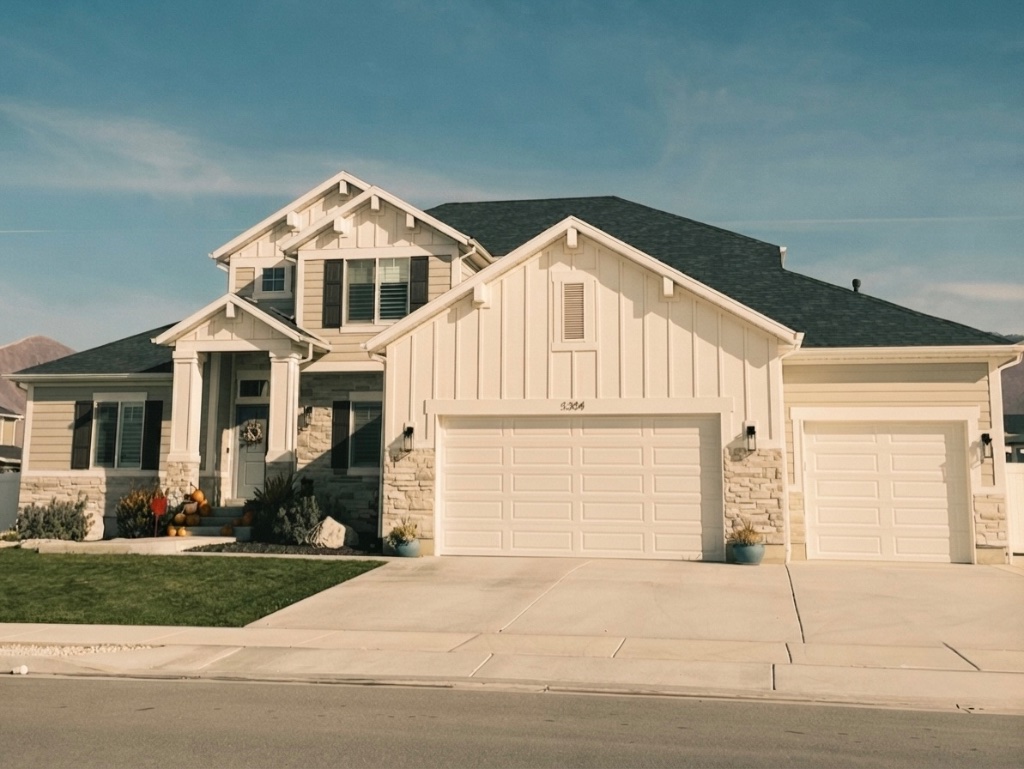
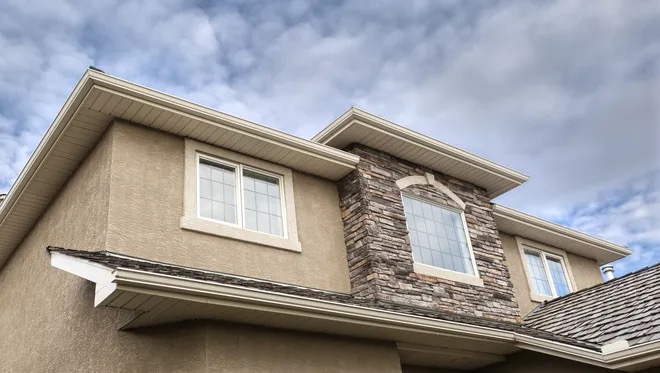
- Warm earth tones — sand, greige, clay, muted taupe. These hide the gradual, even fading that UV causes because they're already soft, so drift is far less noticeable.
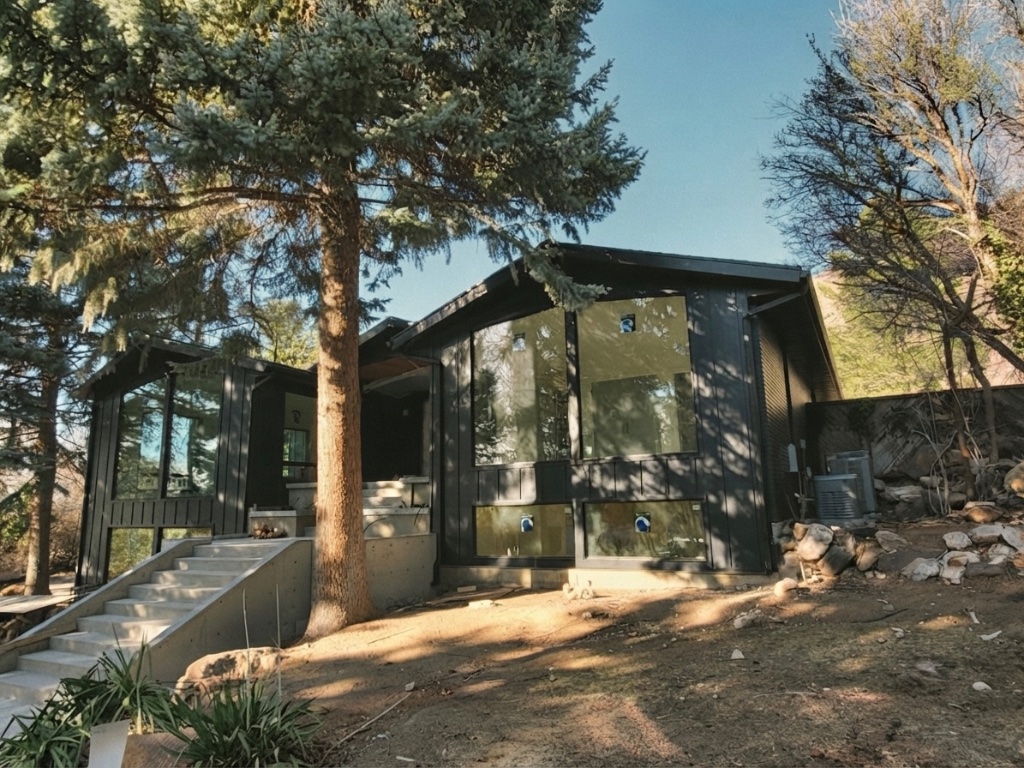
- Deep, muted naturals — forest green, charcoal, deep bronze. They read rich without the harsh contrast that makes fading obvious, and they pair beautifully with stone and wood accents.
- Off-whites and soft neutrals with a warm undertone rather than stark bright white, which can look dingy as it ages and shows every streak.
These also happen to sit naturally against the Wasatch backdrop — they look like they belong on the mountain instead of imposed on it.
Colors to approach with caution
You can absolutely use bolder color — just be strategic about where:
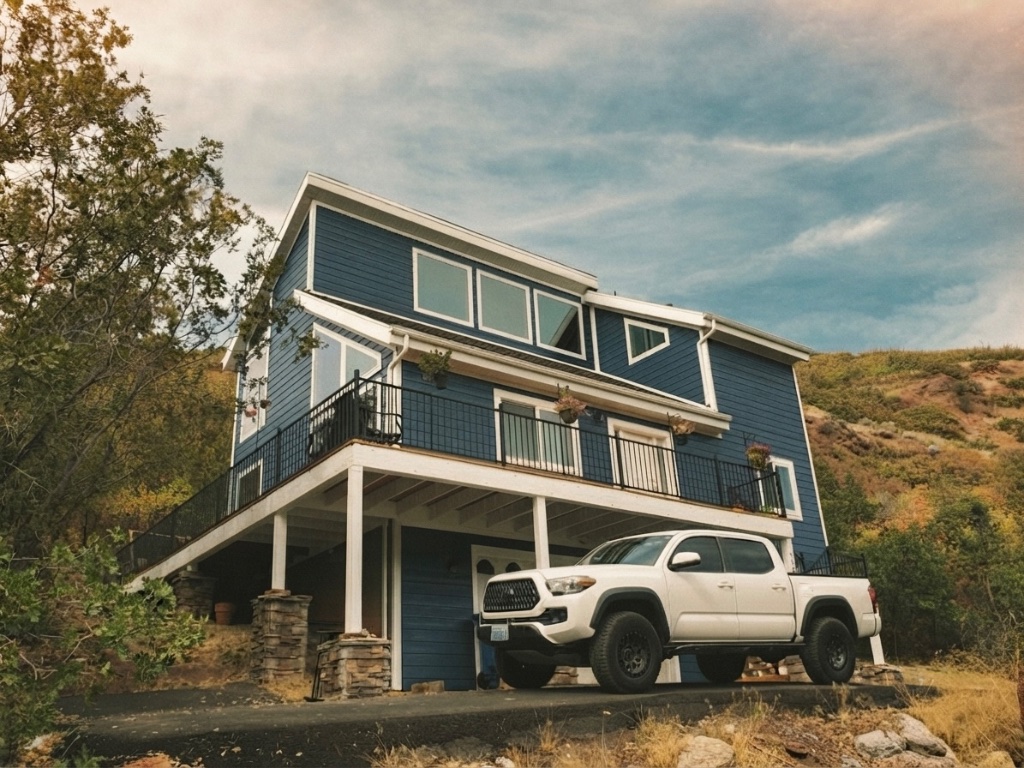
- Bright, saturated hues (true reds, vivid blues) fade fastest. Save them for a front door or small accent you can repaint easily, not the whole facade.
- Very dark full-facade colors look stunning but run hotter and can show fade lines sooner on sun-hammered elevations. If you love a dark look, invest in premium fade-resistant finishes.
- Stark cool grays can turn flat and lifeless under our bright light — a hint of warm undertone keeps them from going cold.
Practical tips before you commit
- Test big, test on the wall. Paint large samples on multiple sides of the house and look at them in morning, midday, and evening light. Color shifts dramatically with the sun's angle.
- Choose UV-resistant, fade-rated products. The upfront cost buys you years before the color drifts — especially worth it on sunny elevations.
- Think about the fixed elements. Your roof, stone, and any brick aren't changing. Build the palette around them so everything reads intentional.
- Layer three tones. A body color, a slightly deeper trim, and one accent almost always looks more finished than a single flat color.
The goal isn't just a color you love on paint-day — it's one that still looks like you chose it after ten Utah summers. If you're weighing a repaint or a new exterior, we're happy to help you land on a palette that's both beautiful now and built to age well here.