Fiber cement, engineered wood, vinyl, or stucco? Here's an honest, Utah-specific breakdown of what actually holds up along the Wasatch Front — and what it costs you down the road.
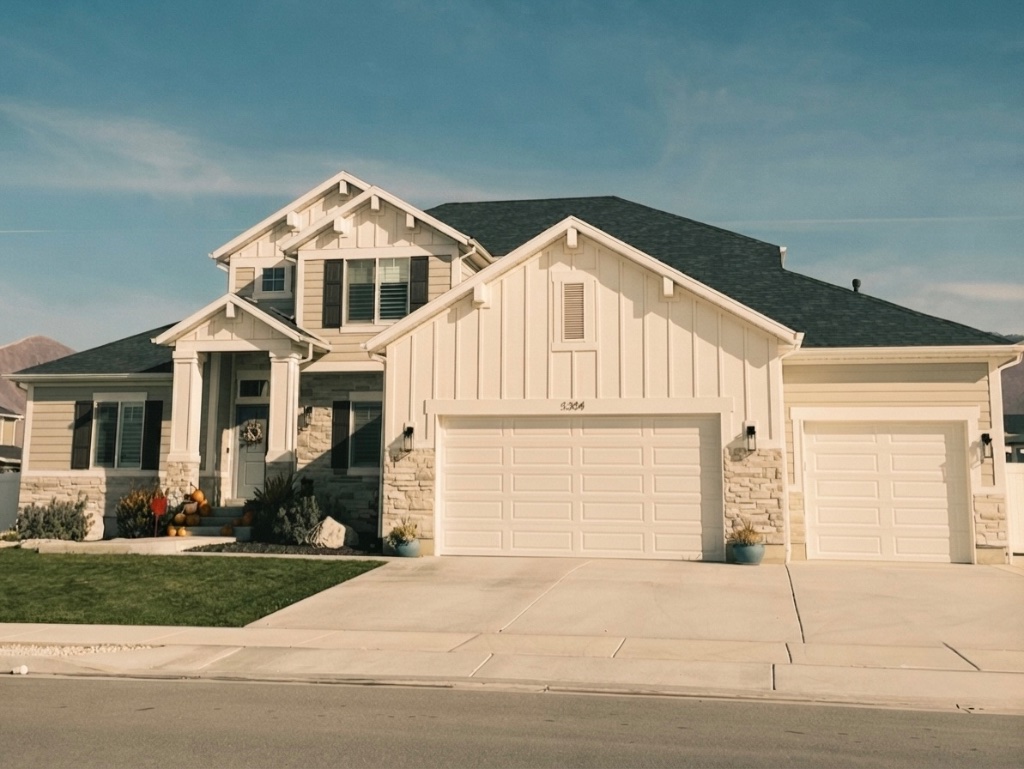
Standing in front of a siding display, every option looks great and every salesperson has a favorite. But the material that thrives in a mild coastal climate can fail fast under Utah's intense sun, dry air, and hard freeze-thaw winters. Here's how the common choices really perform along the Wasatch Front.
Fiber cement
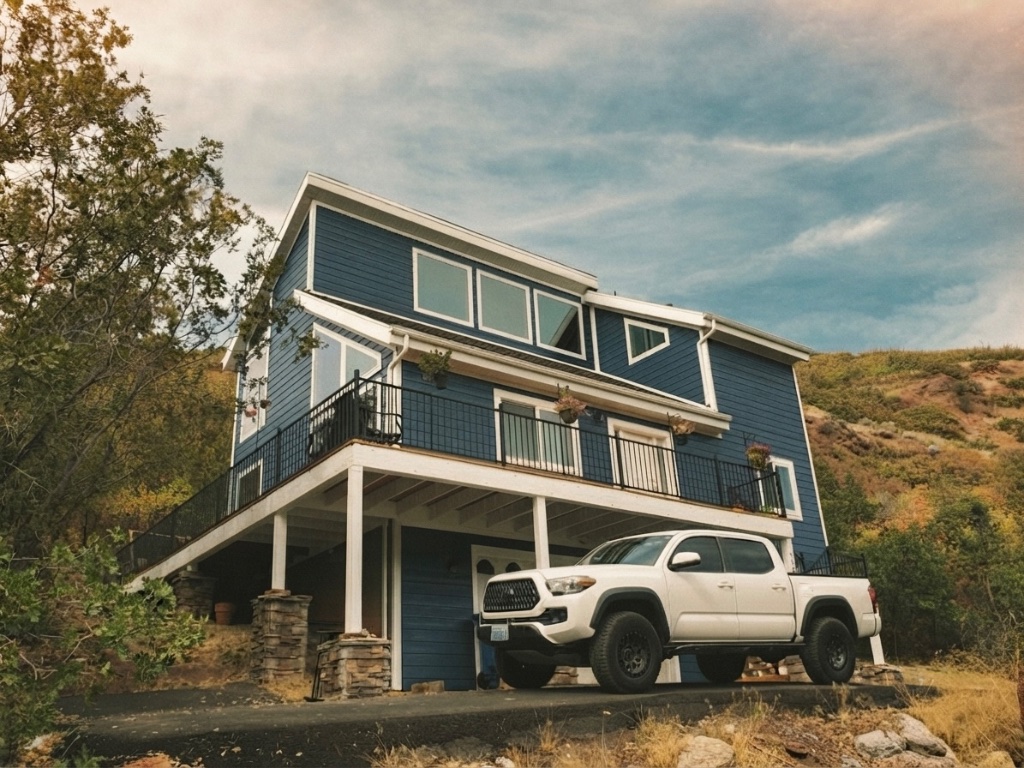
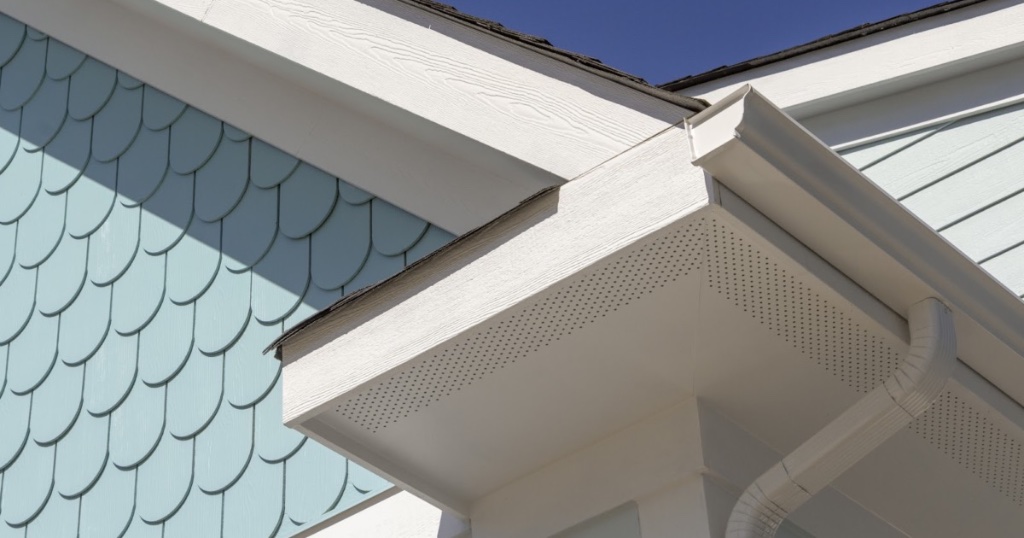
Fiber cement is our go-to for a reason. It shrugs off UV, won't feed a fire, and doesn't warp or swell with moisture. Painted finishes hold their color for years in our high-altitude sun, and it handles freeze-thaw swings without cracking. It costs more up front than vinyl, but it's the closest thing to a set-it-and-forget-it exterior in this climate.
Engineered wood
Engineered wood gives you the warm look of real wood lap siding at a friendlier price, and it installs fast. The catch is moisture: it needs proper flashing, sealing, and paint maintenance to keep water out. Done right, it's a beautiful, durable choice — done cheaply, it's a callback waiting to happen.
Vinyl
Vinyl is the budget favorite, and it's genuinely low-maintenance. But Utah's UV can fade darker colors over time, and extreme cold makes vinyl brittle enough to crack on impact. It's a reasonable choice for the right home and budget — just go in with clear expectations.
Stucco
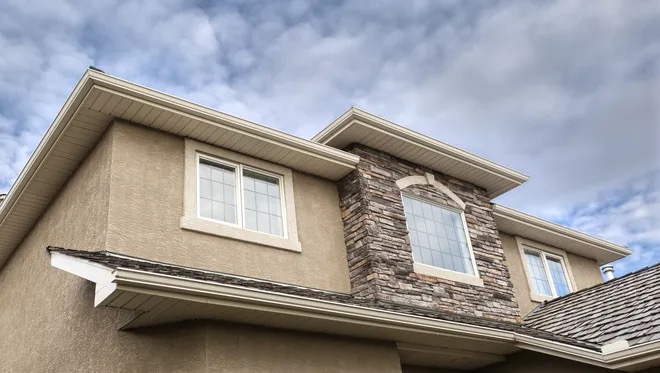
Stucco is everywhere in Utah for good reason — it's durable, energy-smart, and timeless. The key is proper installation with a real drainage layer and expansion detailing so it flexes with our seasons instead of cracking. When it's done right, it lasts decades.
So which one?
There's no single winner — it depends on your home, your budget, and how long you plan to stay. What matters most is honest installation for this climate. We're happy to walk your exterior and give you a straight recommendation, not a sales pitch.